Repeated graffiti incidents are more than a visual nuisance for commercial property owners. They create ongoing maintenance costs, disrupt operations and quickly undermine the professional appearance of a site.
Anti-graffiti coatings provide a proactive solution, protecting vulnerable surfaces and helping property managers move from reactive clean-ups to long-term surface protection.
Cavalry Cleaning applies professional anti-graffiti coatings designed specifically for commercial buildings alongside reactive graffiti removal services to reduce repeat incidents and minimise surface damage over time.
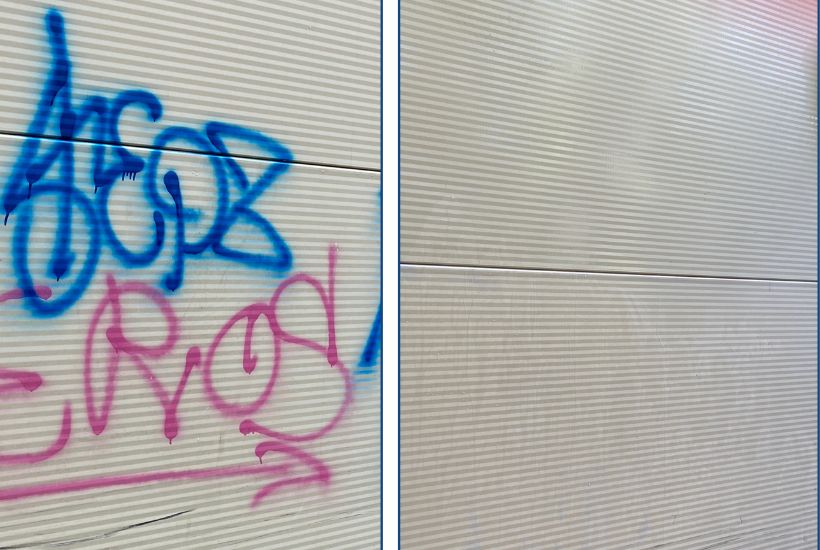
Anti-graffiti coatings create a protective barrier that prevents paint, inks and markers from bonding to the surface. This allows graffiti to be removed quickly and safely without aggressive cleaning methods that wear down the underlying material.
Rather than replacing removal, coatings support and simplify it, reducing labour time, minimising surface damage and lowering long-term costs. On protected surfaces, graffiti can often be removed using low-impact techniques instead of repeated chemical or pressure-based treatments.
This preventative approach is particularly effective for buildings that experience repeat targeting or seasonal increases in vandalism.
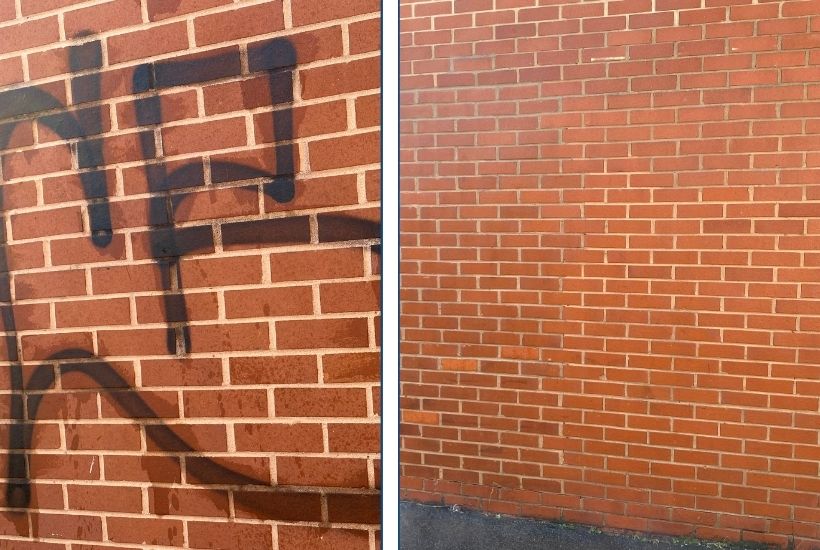
Graffiti removal deals with an incident after it occurs. Anti-graffiti coatings reduce the impact of future incidents.
For unprotected surfaces, we provide professional graffiti removal to safely eliminate paint, inks and residues. Where vandalism poses an immediate reputational or safety risk, our emergency graffiti removal service ensures rapid response.
Anti-graffiti coatings are typically applied after initial cleaning, forming part of a longer-term surface protection strategy. Used together, removal and coating services significantly reduce disruption and ongoing maintenance costs.

We apply coatings based on surface type, exposure level and maintenance requirements.
Sacrificial coatings
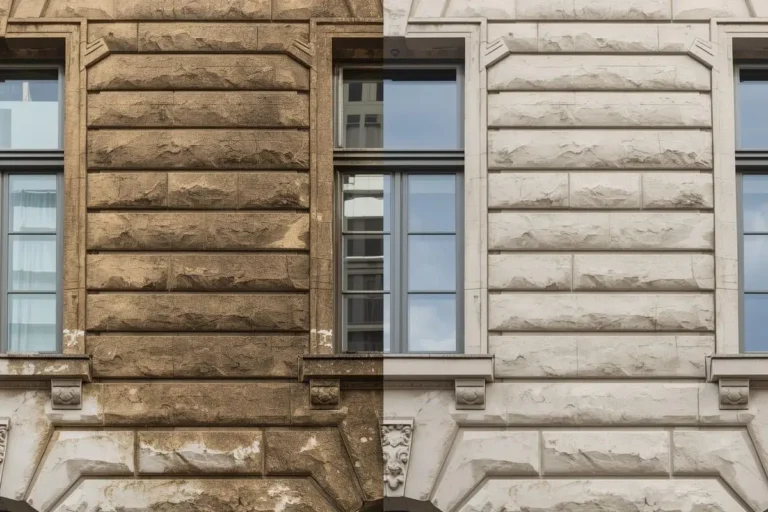
Used on porous materials such as brick, stone and masonry, sacrificial coatings are removed during graffiti cleaning and reapplied as required. They are breathable and discreet, making them suitable for sensitive or heritage façades.
Permanent (non-sacrificial) coatings
Permanent coatings form a durable, chemical-resistant barrier that allows repeated graffiti removal without reapplication. These are ideal for high-risk locations subject to frequent vandalism.
Each option is assessed carefully to ensure compatibility with the underlying surface and the operational needs of the site.
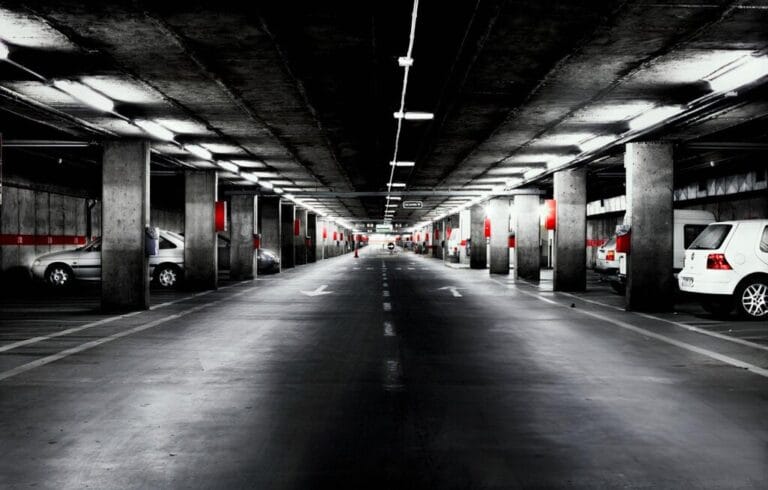
Anti-graffiti coatings are commonly applied across:
They are particularly effective in locations with repeat incidents or increased risk during periods of high footfall.
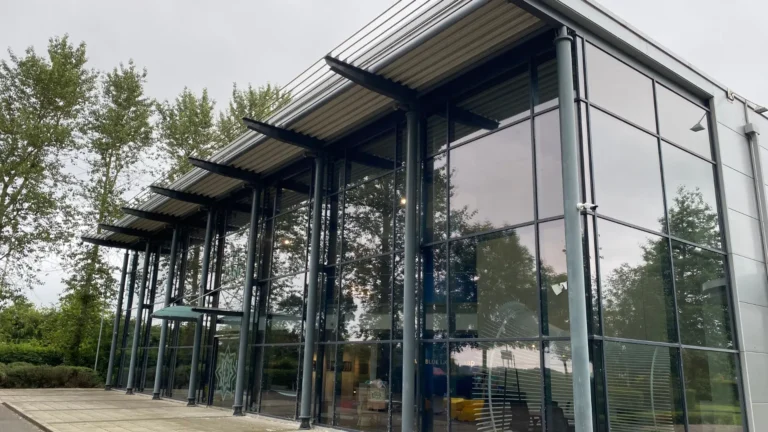
Anti-graffiti coatings are suitable for a wide range of commercial surfaces, including:
All coatings are colourless and do not alter the appearance of the building, preserving architectural detail and branding.
Every project begins with a site assessment to identify vulnerable areas, surface types and access requirements. Existing graffiti or staining is removed prior to coating application to ensure optimal performance.
Coatings are applied using controlled methods to achieve even coverage without overspray or disruption. Once cured, protected surfaces can be cleaned quickly if vandalism occurs, often without specialist intervention.
Where appropriate, coatings are integrated into wider planned exterior maintenance programmes, helping property managers reduce long-term risk and budget more predictably.
Cavalry Cleaning applies anti-graffiti coatings across multiple UK regions, supporting both single-site properties and multi-location portfolios.
Anti-graffiti coatings are a preventative investment that protects surfaces, simplifies cleaning and reduces the long-term cost of vandalism. By combining coatings with professional removal services, commercial property managers gain control over an otherwise recurring issue.
If your site is affected by repeat graffiti incidents, Cavalry Cleaning can assess whether anti-graffiti coatings are the right solution for your building.