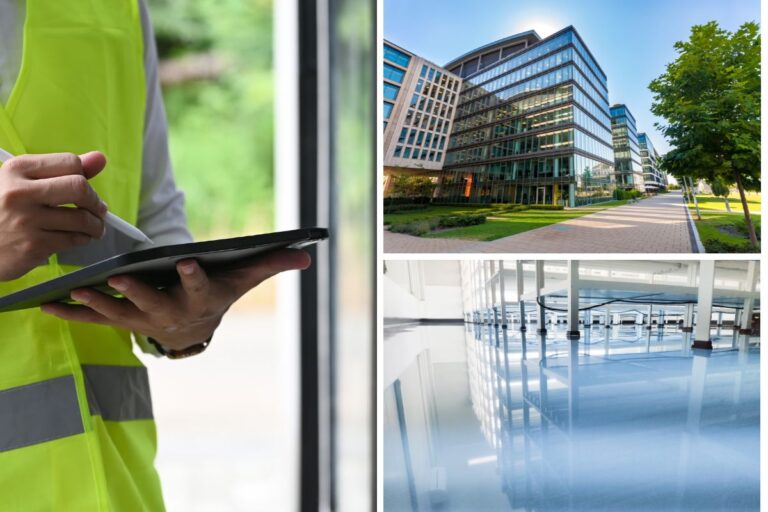
Cleaning and maintaining a commercial property’s exterior isn’t just about keeping up appearances. It’s part of a broader facilities management strategy that directly impacts upkeep costs, long-term safety, and the first impression your site gives to tenants, clients, or employees. Pressure washing plays an important role in this, especially across high-traffic areas like car parks, walkways, façades, and communal zones where grime, moss, algae, and stains build up over time.
In recent years, many property managers have moved towards more eco-conscious maintenance methods. The growing demand for sustainable solutions has pushed the cleaning industry to refine pressure washing techniques that support environmental goals without compromising cleaning performance. Whether you’re looking after an apartment block, office complex, or retail space, understanding which methods are safe, and when they should be used, can make all the difference to your building’s condition over time.
Understanding Different Pressure Washing Methods
Pressure washing is a general term, but not all methods are the same. Choosing the wrong approach for a specific surface type or material can cause wear, discolouration, or structural damage. Equally, failing to go deep enough can leave expensive surfaces looking tired or neglected.
Here are the three most common pressure washing methods used across commercial and communal properties:
1. Soft washing
A lower-pressure method that relies more on eco-friendly cleaning agents to break down dirt and organic growth before a gentle rinse. This is suitable for render, aged stone, painted surfaces, and delicate façades where surface protection is a priority. It’s often the go-to method for block managers and landlords looking to clean visually sensitive areas without risk.
2. Jet washing (high-pressure washing)
A more forceful stream is used to remove graffiti, stubborn oil or chewing gum marks, and deep-seated grime. Best suited for concrete, brickwork, pavements, and car park floors. This method should be avoided on render or painted coatings unless assessed carefully first.
3. Steam cleaning
Superheated water is used at a lower pressure to lift stains without abrasive force. This method is especially useful for listed buildings, heritage stone, or façades where heat loosens the grime and moss without damaging the finish.
Choosing which method to apply depends on factors like surface durability, previous coatings, buildup levels, and access limitations. In some settings, such as residential blocks with high footfall or shared entrances, more than one technique may be used across a single site visit.
Safety Considerations For Different Surfaces
Applying the right pressure is only part of the picture. Each surface on your property, whether external walls, flooring, or fixtures, requires a tailored safety-first approach to avoid accidental damage or unnecessary reinstatement.
Here are a few cleaning strategies that facility managers and site supervisors should keep in mind when planning pressure washing works:
Cladding and façade panels
Metal and powder-coated cladding is often visually distinctive, but it can tarnish or discolour if blasted at high pressure. Where installations include sealants, joints, or coating strips, soft washing with low-pressure systems helps preserve their integrity. If your exterior includes glass curtain walls or high-level signage, these may require separate treatment or access methods to avoid scratching or loosening fixings.
Render and masonry
A common problem with commercial renders is algae growth. While it’s tempting to try and blast it out quickly, this can easily gouge the surface or leave watering lines. Low-pressure soft washing with a targeted eco detergent will break down organic material without harming the substrate.
Stone and paving
For driveways, walkways, loading bays, and communal external floors, ultra-high pressure can be applied once the surface is confirmed to be structurally sound. Still, jointed or damaged slabs may benefit more from controlled temperature cleaning, particularly where there’s a risk of further cracking.
Windows and solar panels
These require a hands-off approach using water-fed poles, purified water systems, or carefully applied eco-safe agents. High pressure in these areas risks cracking panels, removing protective coatings, or disturbing seals. A thorough scope and access assessment is usually the first step here.
Surface-specific safety must be planned alongside environment-specific logistics. Consider pedestrian schedules, access limits, vehicle proximity, drainage flow, and PPE usage when planning each job. Professional teams should operate with risk assessments and method statements (RAMS) in place and use COSHH-compliant products that meet health and safety standards.
The Role Of Eco-Friendly Cleaning Services
Facility teams are under increasing pressure to meet more than just cleanliness expectations. Sustainability targets, environmental reporting, and operational compliance are now embedded into cleaning specifications at business parks, apartment blocks, and medical facilities.
Choosing environmentally responsible cleaning practices benefits your site in several ways. Biodegradable cleaning products break down without polluting water systems or surrounding grounds, improving safety during runoff. These are particularly effective near green spaces, channels, or ventilation ducts where contamination risks are higher.
Water-efficient pressure washing equipment also helps reduce overuse of local water resources, which is especially valuable in large-scale cleaning of façades or multi-aspect structures. Properly planned jobs also reduce detergent waste and overspray, both of which keep surrounding areas safe and presentable.
Organisations working to ISO or ESG frameworks also benefit from alignment with sustainable cleaning practices. Whether property managers are reporting to stakeholders or aiming to reduce chemical exposure for site operatives, these eco-friendly adaptations deliver measurable improvements in compliance and wellbeing.
For example, a facilities team managing a residential tower in Bedford recently transitioned to biodegradable soft wash products for render cleans. The shift brought a noticeable drop in resident complaints linked to fumes and allergens. It also eliminated drainage issues caused by harsh chemical runoff , a long-standing concern in their external maintenance programme.
Tailored Pressure Washing Solutions For Complex Sites
Not all commercial sites work the same way. A flexible, site-specific plan is vital if you want your cleaning strategy to deliver lasting results without damaging key surfaces or running into logistical issues.
Different building materials, usage patterns, and footfall levels demand different techniques. For example, a Luton retail park’s entrances and signage may need more regular jet washing to remove gum or grease, while an older block of flats in Peterborough might rely on quarterly soft washing to protect delicate render.
That’s why a proper cleaning audit, carried out by experienced professionals, can inform a plan that reflects your site’s pressures and constraints. Tailored pressure washing routines deliver more effective cleans while lowering cost over time.
Specialist teams can develop site-specific solutions by:
- Auditing surface types and coating condition during inspections
- Categorising traffic exposure zones across paths, entrances, bin stores, or seating areas
- Scheduling reactive and preventative works strategically across seasons
- Choosing pressure intensity according to surface durability and exposure level
- Assigning IPAF-certified operatives to high-level cleans where cladding or glass façades are involved
Consistency is an added benefit. By sticking to a regular cleaning routine, be that seasonal, quarterly, or on-demand, you reduce the risk of unsightly buildup while extending the life span of painted or coated surfaces. It is also a safer approach for maintaining shared accessways, entrances, and car park paths before grime generates hazards underfoot.
Block managers, landlords, and facilities teams in places like Luton, Peterborough, and Bedford benefit from having a structured cleaning schedule that accounts for building age, surface type, and tenant expectations. Tailored pressure washing does more than lift stains. It prevents damage, increases appeal, and keeps your facilities compliant and presentable.
Conclusion
Pressure washing is a key part of property upkeep that affects both appearance and asset longevity. Yet not all surfaces can withstand the same type of treatment. Identifying whether a surface is suited to soft washing, jet washing, or steam cleaning protects materials and ensures consistent outcomes across multi-surface buildings.
Eco-conscious cleaning goes beyond being a check-box. It supports safety compliance, improves external environments, and reduces chemical exposure for building occupants and operatives alike. When combined with site-specific planning, your cleaning investment becomes more effective over time.
Whether you are managing a commercial office space, retail park, or group of residential blocks in Bedford or surrounding regions, using the right pressure washing method, and doing so in an eco-friendly, compliant, and tailored way, helps protect and maintain the spaces your tenants and visitors rely on.
Enhance your property’s maintenance strategy with eco friendly cleaning services that not only refine your building’s aesthetics but also support environmental goals. At Cavalry Cleaning, we offer tailored solutions that prioritize sustainability and compliance, ensuring your property remains in top condition. Contact us to learn how our expert services can contribute to your long-term success, keeping your site safe, clean, and responsible.