A recently completed construction project often leaves behind more than just a finished build. Piles of rubble, fine construction dust, and leftover materials quickly turn an impressive project into a safety risk. For site managers and property professionals with tight schedules and checklists to meet, this clean-up stage is one that can’t be overlooked. Post-construction cleaning is about more than sweeping up. It is about making the space functional, safe, and presentable whether the site will become a workspace, a communal block, or a retail unit.
While many are eager to move on to the next phase, skipping professional cleaning can slow handovers and create problems with health and safety compliance. Each site has specific cleaning demands depending on materials used, the scale of the project, and future use of the space. Without the right equipment or experience, there is a risk of damaging new finishes or simply failing to meet required cleaning standards. That is why a planned approach, carried out by experienced operatives, is necessary.
Understanding Post-Construction Cleaning Needs
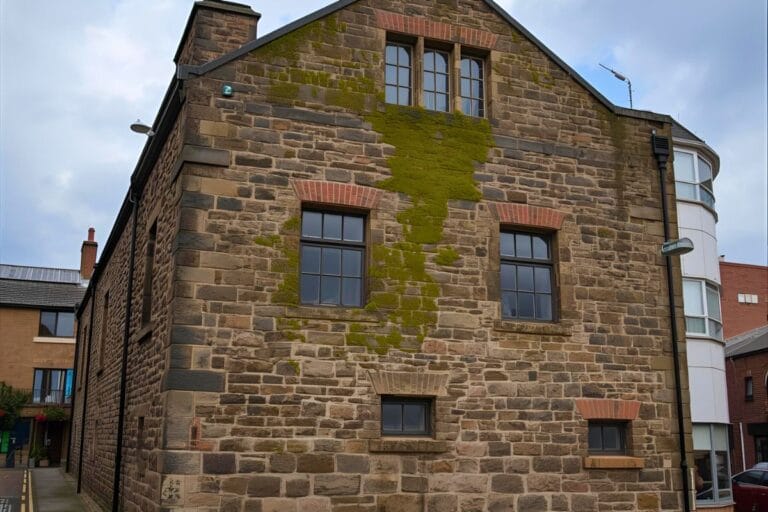
Every post-construction site is different, but they all have one thing in common: they generate waste. From plaster dust to timber offcuts, it builds up quickly and spreads into every corner. Even spaces that look relatively clean often hide layers of fine debris or adhesive traces that need specialist handling. Fresh render, cladding, stonework or structural elements benefit from soft-wash techniques to avoid damage. At the same time, exposed surfaces such as window sills and external facades can be affected by cement splashes or lime staining.
The challenges of cleaning post-construction environments go beyond what is on the surface:
1. Glass panes may be marked by paint, sealant, or tape residue
2. Hard floors can be coated in grime or grout smears
3. High-level areas collect build-up during work, especially from overhead drilling or fixture installation
4. External paved areas can contain leftover mortar or compacted dust needing jet washing
There is also the matter of safety. Confined areas with leftover materials present trip hazards. Sharp edges, splinters, and unstable surfaces may also still be present. Without trained teams who know how to spot and clear these risks, accidents are more likely. Tailored services are often required to suit a specific site plan or schedule, especially when cleaning is needed in phases or has to fit around staged occupancy or last-minute inspections.
A common example is a residential block in final-phase handover. While the interior flats may be cleared, the foyers, external pathways, glass entrances, and communal stairwells may still be covered in plaster residue and dust. These areas receive heavy footfall from trades, stakeholders, and incoming tenants, so leaving them unfinished at this stage can undermine the quality of the handover.
Professional Cleaning Techniques and Tools
Professional post-construction cleaning relies on specialist tools and processes. This is not just about wiping down surfaces. It is about advanced removal of contaminants and making sure every surface is treated correctly. Misuse of equipment or using something too harsh can quickly damage cladding, floors, or decorative features. The right methods ensure surfaces are cleaned appropriately without compromising their integrity.
Key practices used by commercial cleaners at this stage include:
1. Jet washing: High-pressure cleaning to remove grime, cement spills, and soils from outdoor surfaces such as stone, render, tiles, and block paving
2. High-level access cleaning: Reaching ceilings, beams, light fittings, and upper walls where dust or fragments collect using specialist equipment like MEWPs or scaffold platforms, carried out by certified IPAF operatives
3. Soft washing: Suitable for render, stonework or decorative facades that require lower-pressure rinsing with stabilised chemicals to prevent damage
4. Biofilm and residue removal: Using eco-friendly agents to eradicate bacteria or chemical traces on hard surfaces, especially in clinical or educational settings
Cleaning teams work from planned specifications which form part of the project handover checklist, aligning with building handovers or tenant deadlines. Eco-conscious businesses may request sustainable waste disposal, water-saving systems, or biodegradable cleaning agents that support their compliance obligations.
The use of risk assessments and method statements (RAMS) is also common practice at this stage. These help track progress and maintain compliance in active environments. Most facility management professionals require these documents before granting access to the site. Proper PPE, sign-offs, and documentation mean the process is safe, supervised, and traceable throughout.
Health and Safety Compliance
Post-construction environments present a set of safety concerns that do not end when the builders leave. Dust, loose fixings, and uneven surfaces can all pose hazards if not dealt with correctly. That is why cleaning professionals are required to follow detailed compliance protocols both for their own safety and that of anyone entering the premises after handover.
Health and safety compliance on construction sites involves more than onsite awareness. It includes pre-job planning, documented RAMS, and appropriate PPE at all times. Cleaning operatives also need to work within the guidelines of the Construction (Design and Management) Regulations. This ensures the site remains compliant while cleaning continues alongside snagging or finishing works.
All cleaning agents used must meet COSHH requirements. Teams work with low-toxicity or biodegradable products wherever possible and, where chemical use is unavoidable, manage ventilation and zoning areas carefully. Clear signage, barrier systems, and first-aid points are also planned into the work.
The risks extend upwards too. High-level dust removal, especially within light industrial spaces, needs IPAF-trained operatives using boom lifts or scissor lifts to access beams, HVAC lines, and upper-level cable trays. Because many of these elements will soon be in use, quick and careful removal of dust is key to long-term safety and equipment lifespan.
Clients should also expect ongoing documentation, including daily cleaning logs, compliance audit checklists, and RAMS updates as the site evolves. These support proper supervision and act as a handover resource for landlords or facility managers as they take control of the site.
Key Advantages of Bringing in a Skilled Cleaning Partner
Leaving deep post-construction cleaning to trained professionals comes with practical advantages. It is not about manpower. It is about knowledge, compliance, and having access to the right tools built for commercial-scale cleaning. Property owners, letting agents, and developers benefit by reducing delay risks and protecting structural finishes from early wear.
Some major benefits include:
1. Reduced liability risks: Proper PPE, trained operatives, and documented RAMS mean your team is protected legally and physically
2. Time efficiency: Deadlines stay on track thanks to structured team scheduling and flexible working hours
3. Preventative care: Immediate removal of debris and harmful dust lowers the chance of long-term wear or damage to finishes
4. Quality control: High-level inspections, cleaning audits, and test patches help maintain consistent standards throughout the job
5. Compliance assurance: Adherence to COSHH, IPAF, SSIP, and industry best practices reduces disruption during inspections or tenant fit-outs
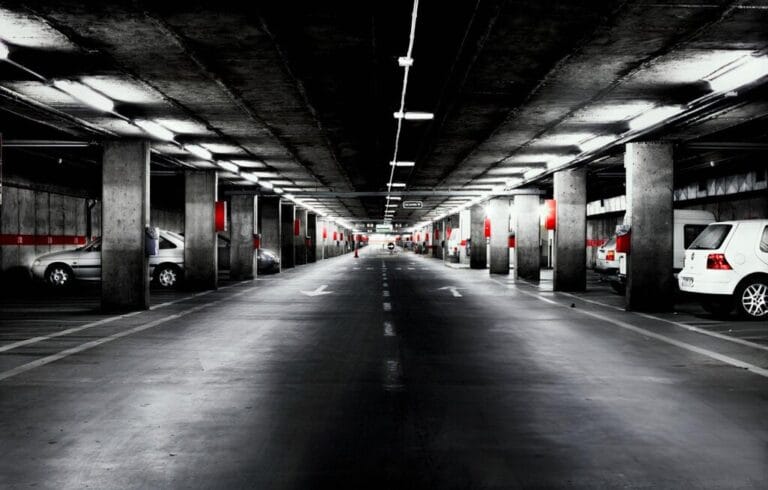
Contract cleaning professionals can also adapt the scope of work if unexpected changes arise. For example, if handover is delayed by other works or a deep clean is requested for specific areas like cladding or underground car parks, the plan can shift while maintaining compliance and safety protocols.
Working with an experienced team also adds an extra layer of transparency for building managers and stakeholders. With post-job documentation and site certifications, you are better positioned to demonstrate quality and care during final sign-offs.
Final Preparation Steps for Site Readiness
Getting a site ready for occupancy is not just about what gets cleaned. It is about how and when it is done. The final touches must strike a balance between presentation and practicality. That includes removing the last of the fine debris, polishing external glazing, and restoring the condition of shared areas across communal blocks, workspaces, and retail footprints.
Cleaning teams will usually carry out a phased handover process, targeting high-priority communal areas such as:
1. Entrance halls and foyers
2. Glass-fronted reception areas
3. Shared stairwells and escalators
4. Paved walkways, access ramps, and entry steps
Window cleaning plays a key role here, with both internal and external panes needing to be streak-free and free of construction adhesives or paint marks. Using a combination of water-fed pole systems and squeegee tools, operatives clean high and low points without leaving a trace. Where aluminium cladding or render surrounds the windows, soft washing keeps decorative panels intact during the wash-down.
Externally, pressure washing can be applied to walls, entranceways, and car parks. The goal is to restore a professional, clean appearance ahead of visitors, tenants, or inspections. Contractors also aim to lower environmental impact by using water-efficient systems and safe runoff disposal methods.
To meet every spec, cleaning supervisors typically work from site-specific checklists. These may include sign-offs from the client, timestamps for phased works, and photographs of completed sections. When properly managed, handover cleans can boost overall satisfaction and support a smoother transition to owner or tenant control.
Secure Comprehensive Cleaning Services for Your Next Project
Cleaning after construction isn’t something that can be left to chance. Whether you’re managing communal blocks in Manchester or overseeing a new office fit-out, the job isn’t finished until the dust and debris are cleared and the space is safe. Working with properly trained teams who are fully insured, follow strict compliance procedures, and understand building care ensures you’re meeting professional standards from start to finish.
Contract cleaning professionals don’t just clean—they coordinate. They synchronise with trades, work within timelines, and support facilities teams during the most unpredictable part of a project: the final push. For letting agents and landlords, a spotless first impression also means more confident tenants and a faster occupancy turnaround.
Ensure your site is ready on time with support from a professional cleaning company that understands the strict demands of commercial environments. Cavalry Cleaning delivers expert solutions tailored to post-construction challenges so you can focus on what’s next with confidence.